
Exploring the allure of casino culture A journey through risk and reward
Author: Michael Johnson. A passionate writer specializing in gaming trends and cultural analysis.
Editor: Sara Thompson. An experienced editor with a focus on lifestyle and entertainment content.
Casino culture presents a unique blend of excitement, thrill, and risk, captivating millions around the globe. These establishments are not merely venues for gambling; they serve as social hubs where individuals gather to experience the adrenaline rush of high stakes. This article delves into the various facets of casino culture, exploring the intertwining elements of risk and reward that make these spaces so alluring, especially as many players enjoy a pocketwin casino experience.
- The History of Casino Culture
- The Psychology Behind Gambling
- Types of Casino Games
- The Economic Impact of Casinos
- Casino Culture Around the World
- The Role of Entertainment
- Responsible Gambling Initiatives
- The Future of Casino Culture
The History of Casino Culture
The roots of casino culture trace back to ancient civilizations, where games of chance were played. From the first recorded gambling in China around 2300 BC to the elaborate gambling houses in Europe during the 17th century, the journey of casinos reflects evolving societal norms. Over time, casinos transitioned from exclusive establishments for the elite to widespread venues accessible to the masses, especially with the rise of Las Vegas in the mid-20th century.
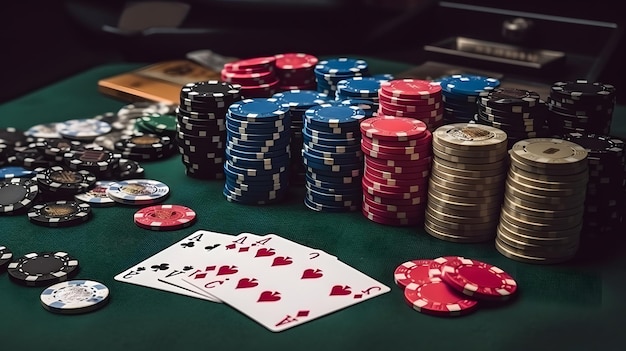
This rich history shapes current perceptions and experiences within casinos, making them a symbol of both luxury and peril. The evolution of technology has also played a crucial role, introducing online casinos and mobile gaming, further expanding their reach and influence.
The Psychology Behind Gambling
The allure of gambling involves complex psychological factors. Many players are drawn to the thrill of uncertainty, where the potential for a big win can lead to exhilaration. Cognitive biases such as the illusion of control and the gambler’s fallacy influence decision-making, often leading players to underestimate risks.
| Cognitive Bias | Description |
|---|---|
| Illusion of Control | Believing one can influence outcomes in games of chance. |
| Gambler’s Fallacy | The belief that past losses increase the odds of future wins. |
| Optimism Bias | Underestimating risks while overestimating the potential for winning. |
Types of Casino Games
Casinos offer a diverse range of gaming options catering to all types of players. From classic table games like poker, blackjack, and roulette to modern slot machines with intricate themes, the variety is extensive. Each game presents unique rules, strategies, and social dynamics, creating distinct player experiences.
- Slot Machines – Known for their simplicity and the potential for huge jackpots.
- Table Games – Such as blackjack and poker, requiring skill and strategy.
- Live Dealer Games – Combining digital play with real-time interaction.
- Sports Betting – Allows players to wager on various sporting events.
The Economic Impact of Casinos
Casinos significantly influence local economies. They create thousands of jobs, generate tax revenue, and attract tourists, contributing to overall community development. These establishments often fund infrastructure improvements and support local businesses through partnerships and promotions.
| Economic Benefit | Impact |
|---|---|
| Job Creation | Thousands of jobs in hospitality, gaming, and support services. |
| Tax Revenue | Substantial contributions to local and state budgets. |
| Tourism | Attracts millions of visitors annually, boosting hospitality sectors. |
Casino Culture Around the World
Casino culture varies significantly across different regions. In the United States, Las Vegas and Atlantic City are iconic gambling destinations. Meanwhile, Europe boasts renowned casinos in Monaco and London, rich in history and elegance. In Asia, countries like Macau and Singapore have emerged as global gaming hubs, attracting international tourists with luxurious facilities.
Each locale reflects unique cultural attitudes towards gambling, influencing regulations, the types of games offered, and the overall atmosphere of the casinos.
“Casinos are a reflection of society’s complex relationship with risk and reward.” – An expert in gambling behavior.
The Role of Entertainment
Today, casinos are not just about gaming; they are entertainment complexes offering diverse attractions, including live shows, fine dining, and shopping. This shift enhances the overall experience, drawing in visitors who may not participate in gambling but are attracted to the vibrant atmosphere.
- Concerts and performances from renowned artists.
- Gourmet restaurants featuring world-class chefs.
- Luxury hotels and spas for an all-in-one experience.
- Shopping venues with high-end brands.
Responsible Gambling Initiatives
With the thrills of gambling come significant risks, prompting the need for responsible gambling initiatives. Casinos are increasingly implementing measures to promote safe gaming practices, including self-exclusion programs, limits on betting, and educational campaigns.
These initiatives aim to foster a safer environment, ensuring that the enjoyment of gambling does not lead to addiction or financial hardship.
The Future of Casino Culture
The landscape of casino culture is rapidly evolving. Technological advancements are shaping the future of gaming, with innovations like virtual reality and mobile applications transforming how players engage with casinos. As societal attitudes towards gambling continue to shift, the industry must adapt to maintain its appeal while ensuring responsible practices are prioritized.
In conclusion, the allure of casino culture is deeply rooted in its thrilling combination of risk and reward. As this dynamic industry continues to grow and evolve, it will remain a fascinating topic for exploration and understanding.