
The Thrill of Gambling: An Emotional Rollercoaster
Gambling evokes a unique emotional response in players, often described as a psychological high. The thrill of uncertainty—whether it’s the spin of a slot machine or the roll of the dice—creates an adrenaline rush that can lead to excitement and anticipation. Players frequently find themselves in a state of heightened alertness, which can amplify their enjoyment of the gaming experience. This emotional engagement is a significant factor in why people return to casinos time and again, searching for that elusive high. For those looking for an exciting experience, the top online casino can offer a dynamic alternative to traditional venues.
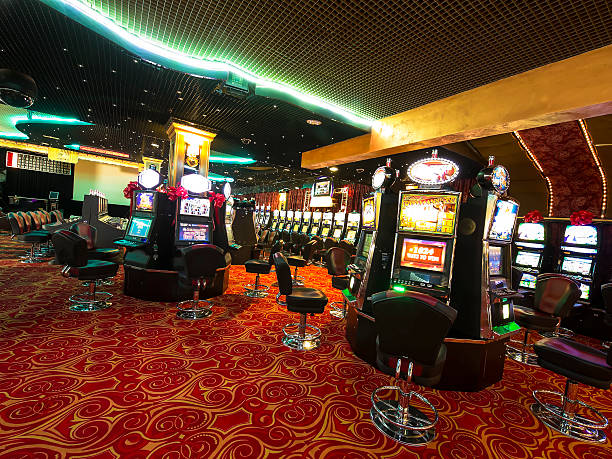
This emotional rollercoaster, however, is not without its pitfalls. As players chase wins, they may experience a range of emotions from elation to despair. Understanding this dynamic is crucial; the pleasurable rush can sometimes cloud judgment and lead to impulsive decisions. Thus, the emotional patterns observed in players serve as a double-edged sword, where enjoyment coexists with the danger of unhealthy gambling habits.
The Role of Environment in Shaping Player Behavior
The casino environment is meticulously designed to influence player behavior. From the layout of the gaming floor to the sounds and lights, every element is strategically placed to enhance the gaming experience. Bright lights and engaging sounds are meant to grab attention and create a sense of urgency. This sensory overload keeps players engaged, encouraging them to play longer and spend more. The atmosphere of the casino contributes to the overall thrill of the gambling experience, often compelling players to immerse themselves deeper into the excitement.
Moreover, the absence of clocks and windows contributes to a distorted sense of time. Players may lose track of how long they’ve been gambling, allowing them to continue longer than intended. The environment plays a key role in immersing players in a world where the stakes are high, making it more challenging for them to engage critically with their gambling habits.
Social Interaction: Community and Competition
Gambling is often a social activity, whether it’s sharing a table with friends or engaging with fellow players at a slot machine. This interaction can foster a sense of community, which enhances the overall experience. Players are drawn to the social aspects of casinos, where they can share stories of wins and losses, creating bonds over their shared experiences. This social dynamic can serve as both a motivator to play more and an emotional support system.
Conversely, competition plays a significant role in casino psychology. Players often feel a drive to outperform others, whether through high-stakes games or popular tournaments. This competitive spirit can intensify the emotional experience, pushing players to take risks they might otherwise avoid. The interplay between socialization and competition shapes how players approach gambling, further influencing their behaviors and choices.
The Illusion of Control: Cognitive Biases in Gambling
Players often fall prey to cognitive biases that distort their perception of control over the gambling outcome. One notable example is the “gambler’s fallacy,” where players believe that past outcomes influence future results, leading them to make irrational bets. For instance, a player might think that a slot machine is “due” for a payout after a series of losses, disregarding the machine’s random nature. Recognizing these patterns can be essential in preventing harmful gambling behaviors.
Additionally, the illusion of control can manifest in players believing they have more influence over the outcome of games than they actually do. This mindset can lead to excessive confidence and increased risk-taking, as players chase losses or continue betting despite unfavorable odds. Understanding these cognitive biases is essential for both players and operators to promote responsible gambling and mitigate potential negative consequences.

The Importance of Responsible Gambling Awareness
As the allure of the casino environment can lead to problematic gambling behavior, the importance of responsible gambling cannot be overstated. Awareness campaigns and tools designed to promote responsible gaming are vital in helping players recognize when their behavior may be crossing the line into addiction. Casinos often have resources available to assist players in understanding their gambling habits and provide support for those who may need it. Engaging with these resources can be a critical step toward ensuring a healthy gambling lifestyle.
Creating a culture of awareness around gambling practices is essential for maintaining a healthy relationship with gaming. Operators can play a crucial role by implementing safeguards, such as offering self-exclusion programs and promoting the importance of moderation. By fostering a supportive environment, the casino industry can help ensure that players enjoy their experience while minimizing the risks associated with gambling.